
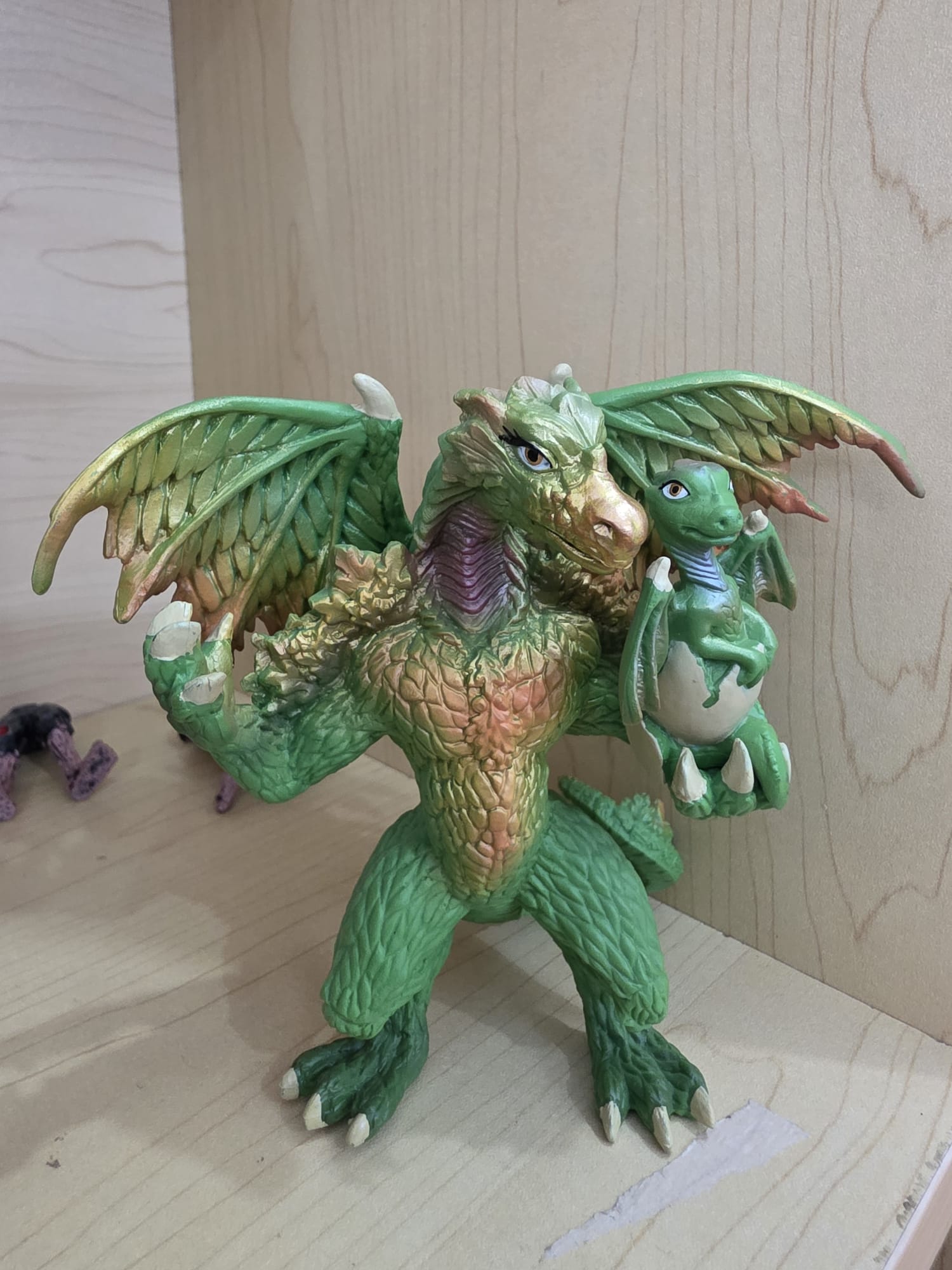
“No one likes me.” I’ve heard it more times than I can count—far more times than the number of fingers on my hands. Wanting to be liked by friends, siblings, teachers, or even parents is an emotional and mental struggle many children quietly carry. In the therapy room, this feeling sometimes appears as a direct statement. More often, especially for children who are not yet ready to put such a painful thought into words, it shows up in their play. It may look like one character constantly trying to please another. A lone figure standing apart while others are grouped together. A game where one character is repeatedly rejected, ignored, or pushed aside.
There is no single way this experience presents itself. Children express this feeling in many forms, and their play reflects far more than just the words they can say.
How it shows up depends on many factors—the intensity of the emotions felt in that moment, the child’s readiness to bring those feelings forward, the sense of safety they experience in the therapy space, and even how far along they are in the therapeutic process. There is no fixed template, no one-size-fits-all expression.
It can be tempting to reassure a child by saying, “Of course people like you.” But when a child does not feel liked, such reassurance can unintentionally feel dismissive. Their feelings are real. They belong to them. And they deserve to be acknowledged rather than corrected.
In my view, the role of the therapist is to offer a platform—a safe, accepting space—where a child can begin to think out loud, explore, and eventually label what they are feeling. If a child feels disliked, that feeling can be reflected and named: This is how it feels for you right now.
Reflection creates space. It allows the child to hear their own thoughts without judgement.
When a child asks, “What can I do to be liked?” I may reflect their curiosity rather than rush to provide answers. I might suggest using something in the room—play, art, stories, or role-play—to explore that question together. Often, children discover insights through doing, rather than being told.
Sometimes the answers are already within them. Sometimes they emerge only after the feeling has been named and held with care. Without a space to actively think, feel, and experiment, those insights remain out of reach.
And sometimes—quietly, unexpectedly—a child reaches a powerful realisation of their own: I like myself.